
High-Visibility Standards and Visibility Classes Explained
Class 2, Class 3, and daytime visibility — what's the difference? A practical breakdown of visibility requirements for different work environments and lighting conditions.
Written by the baltiwick Editorial Team, focused on practical guidance for safety workwear wholesale supply in Latvia.
Why Visibility Classes Matter
You're working on a construction site or highway. The sun's low on the horizon, or maybe it's already dark. A driver's scanning the road — they've got seconds to spot you and react. That's where visibility standards kick in. They're not bureaucratic red tape. They're literally the difference between being seen and being hit.
High-visibility clothing doesn't just make you visible. It makes you visible in the exact conditions where you work. Class 2 works for lower-risk environments. Class 3 handles the worst conditions. And daytime visibility? That's a different beast entirely. We'll break down what each one actually means, when you need it, and why your crew shouldn't just grab whatever's cheapest.
Understanding the Three Classes
The EN ISO 20471 standard divides visibility clothing into three tiers. Each one requires a different amount of reflective material and background color. Class 1 is entry-level — you'll see it on parking lot attendants and warehouse workers. Class 2 steps up — construction sites, road maintenance, railway workers. Class 3 is the maximum protection — major highways, emergency responders, heavy traffic environments.
Here's the thing: more material doesn't always mean better. Class 3 gear is bulkier and can restrict movement. If your crew's doing precise work, Class 2 might actually be smarter. But if they're in constant traffic? You can't compromise. The standard exists because people got hit. We're not being dramatic — the stats drove these requirements.
Class 2 at a Glance
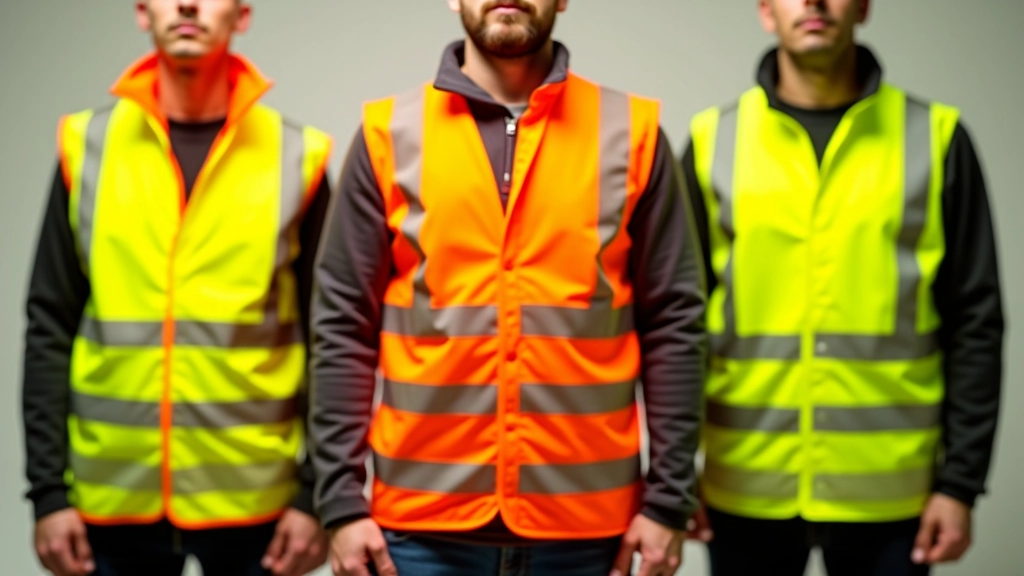
Minimum 0.13 square meters of reflective material. Yellow or orange background. Works for most construction and maintenance roles. Your typical safety vest that covers the torso.
Class 3: Maximum Protection
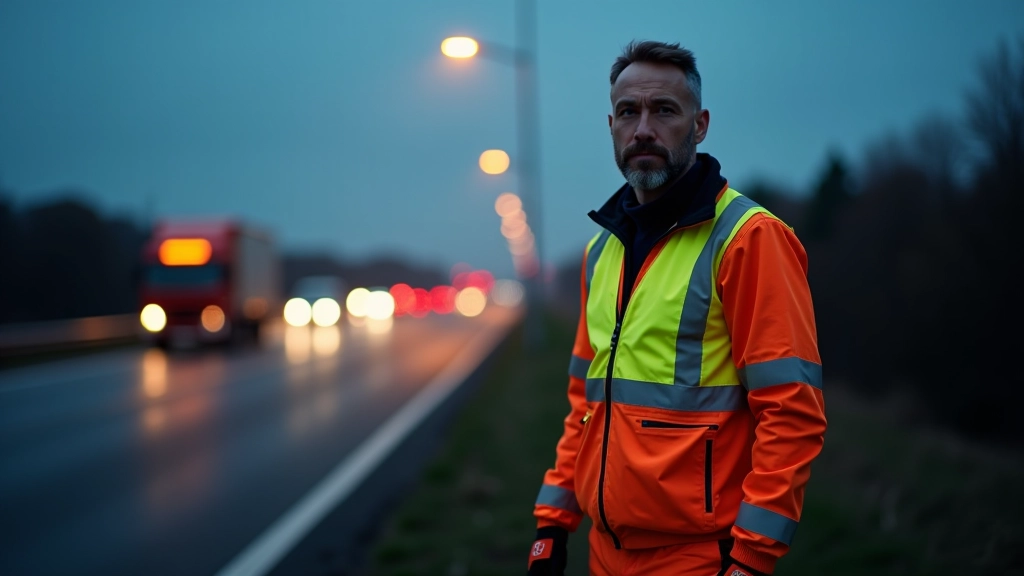
Class 3 is serious. You need minimum 0.20 square meters of reflective material plus extensive background color coverage. This typically means a vest plus reflective trousers or arm/leg bands. You'll see this on highway work crews, railway maintenance, airport ground staff.
The extra material creates what's called "daytime visibility" — you're visible in sunlight at distance. And at night, the reflectivity bounces headlights back at drivers with maximum impact. Class 3 gear costs more, sure. But when someone's moving at 100 kilometers per hour on a highway, that extra reflective stripe might be worth every euro.
Class 3 Requirements
Minimum 0.20 square meters of reflective material. Yellow or orange. Requires reflective stripes on arms and legs or full-body coverage. For high-risk traffic environments.
Daytime Visibility vs. Nighttime Reflectivity
Here's where people get confused. Daytime visibility and reflectivity aren't the same thing. Daytime visibility is about the background color and size of the vest. A bright orange vest is visible in daylight because orange contrasts with the environment. You see it from distance even without reflective material working.
Reflectivity is what happens at night. Light hits the reflective material and bounces straight back at the source — usually vehicle headlights. That's why reflective material on dark roads at night works so well. But in daylight, that reflectivity does almost nothing. You need the bright color doing the work.
This matters because it tells you which environment your gear is actually designed for. Class 2 daytime visibility works in daylight and low-light conditions. Class 3 works in all conditions including full darkness. If your crew's mostly working daylight hours, Class 2 does the job. But if anyone's out after dusk? Class 3 is the right call.
Color Standards and Background Coverage
EN ISO 20471 allows two colors: yellow and orange. That's it. Not red, not pink, not any other shade. Why? Because these colors have the highest contrast against typical road environments — asphalt, trees, buildings. They're visible in fog, rain, and various lighting conditions.
The standard also specifies minimum background color coverage. Class 2 needs roughly 40% of the vest surface to be that bright color. Class 3 needs more. You can't just put reflective stripes on a dark vest and call it compliant. The entire vest needs to be that bright color so people see you in daylight without relying on reflectivity alone.

Choosing the Right Class for Your Work
So how do you decide? Start with your environment and time of day. Road work after dusk? Class 3. Construction site in daylight? Class 2 is usually enough. Railway platform? You're looking at Class 3 because trains don't stop on a dime. Parking lot attendant? Class 1 or 2 depending on traffic volume.
Consider the actual risks too. A crew working on a quiet industrial estate can get by with Class 2. But workers on major highways or in fast-moving traffic should go Class 3. Don't let budget alone drive the decision. You're buying visibility that keeps people from getting hurt. It's one of the best investments you can make.
And don't forget fit. Visibility gear only works if people actually wear it. If a vest is too hot or restricts movement, workers will find reasons not to use it. Make sure whatever class you choose actually fits your crew and their work. Quality matters too — cheap vests fade quickly and lose their reflectivity.

Maintenance and Compliance
Here's something people overlook: visibility gear wears out. Reflective material fades. Colors dull. Washing and sun exposure degrade the materials over time. You can't just buy Class 3 vests once and assume your crew is protected for five years.
Most workplaces should replace visibility gear annually or when it shows visible wear. Check reflectivity by shining a light on the material — it should bounce light back sharply. If it's dull or faded, it's time for new gear. And follow washing instructions. Hot water and harsh detergents break down reflective coatings faster than anything else.
The Bottom Line
Visibility standards aren't about checking boxes on a compliance form. They're about making sure your crew goes home safe every day. Class 2 and Class 3 exist because visibility matters. The difference between being seen and not seen is sometimes just a few meters — the distance it takes a driver to react.
Match your visibility class to your actual working conditions. Invest in quality gear that lasts. Replace worn items regularly. And remember that visibility is just one part of workplace safety. But it's a part you can control directly. That's worth taking seriously.
Important Information
This article provides educational information about high-visibility standards and visibility classes for workplace safety. The content is based on EN ISO 20471 standards and general safety practices. Local regulations and requirements may vary by country and industry. Always consult your local health and safety authorities and applicable workplace regulations to determine the correct visibility class for your specific work environment. Safety requirements depend on many factors including traffic speed, lighting conditions, and job-specific hazards. For binding compliance guidance, refer to official standards documents and regulatory bodies in your jurisdiction.
Related Articles
Explore more guides on industrial safety workwear
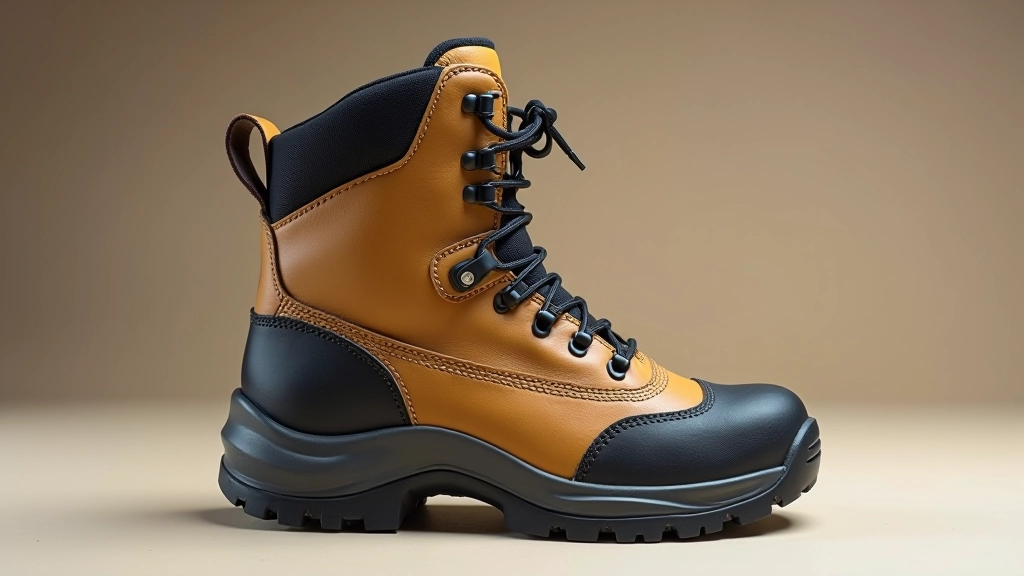
Choosing the Right Safety Boots for Your Crew
What makes a good safety boot? We break down sole protection, ankle support, slip resistance, and finding the right fit for your team's needs.
Read More →
Washing and Caring for Safety Gear to Extend Lifespan
Proper care makes the difference between gear lasting one season or three. We've put together practical washing and storage tips that actually work.
Read More →
Bulk Ordering Checklist for Companies and Teams
Planning a large workwear order? This checklist covers sizing documentation, compliance requirements, and avoiding common ordering mistakes.
Read More →